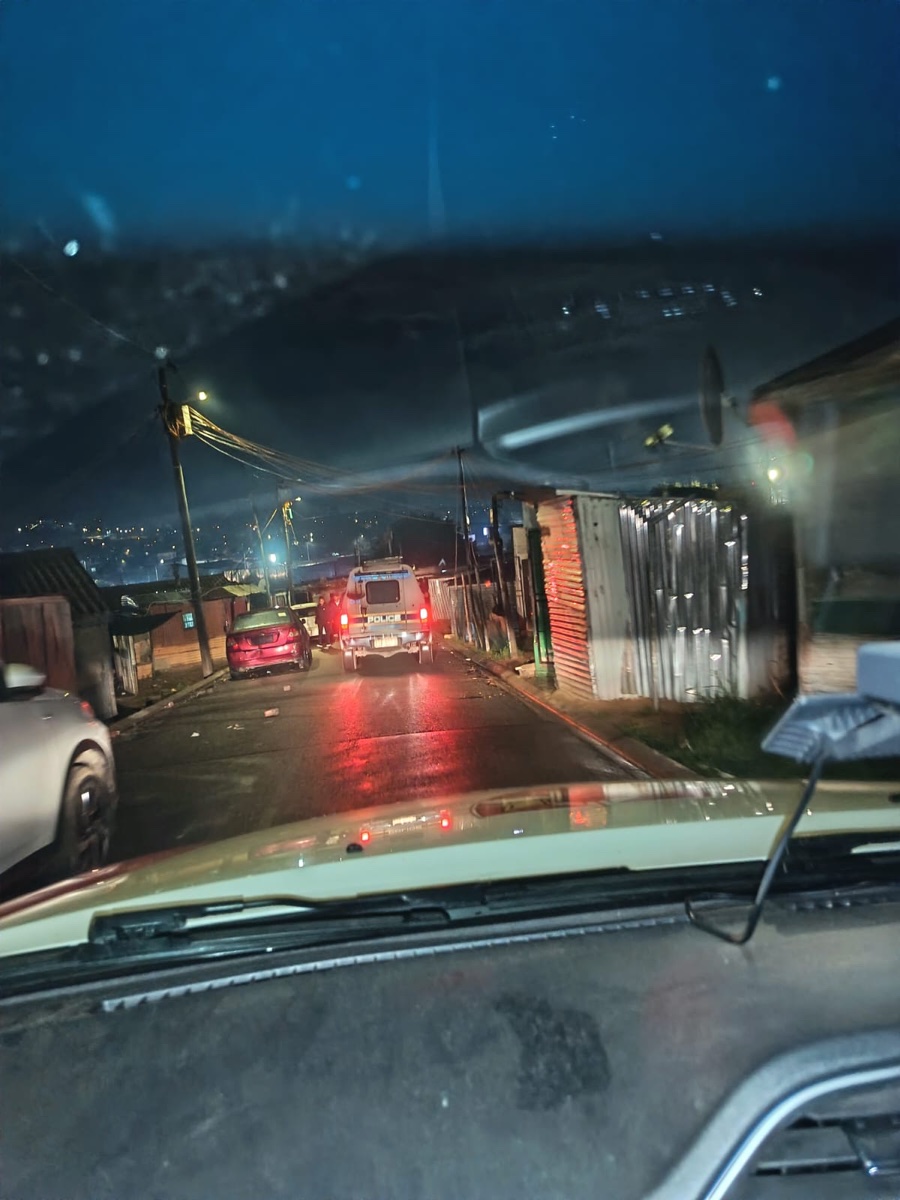
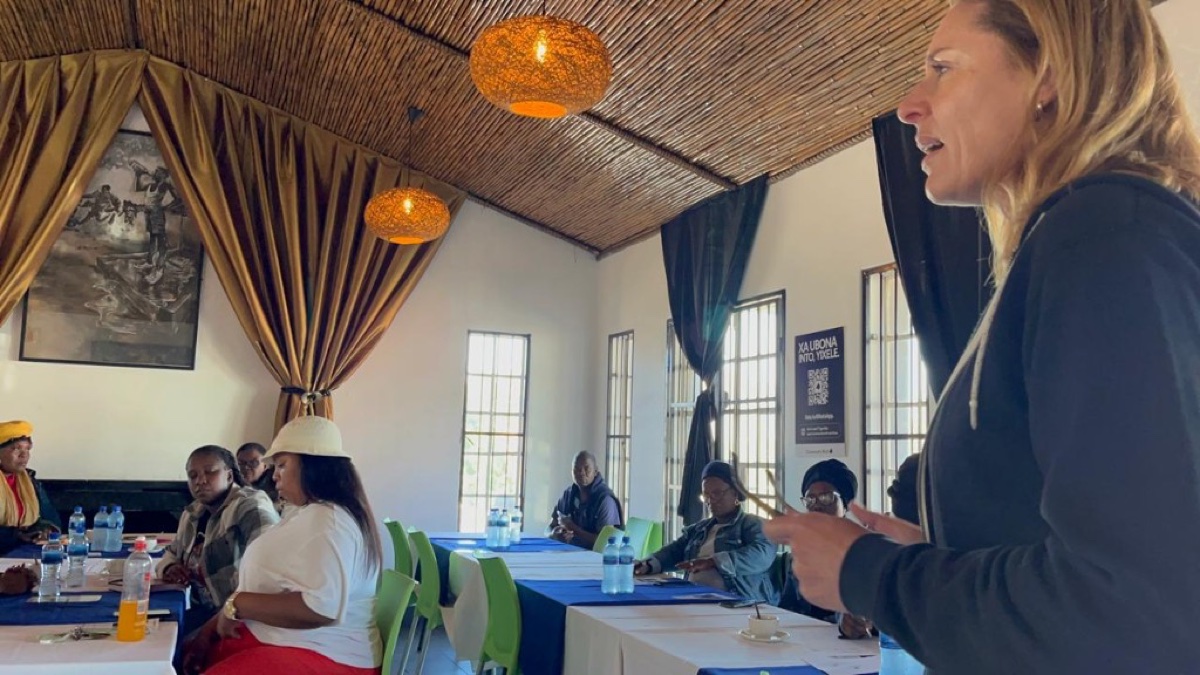
Get people reporting.
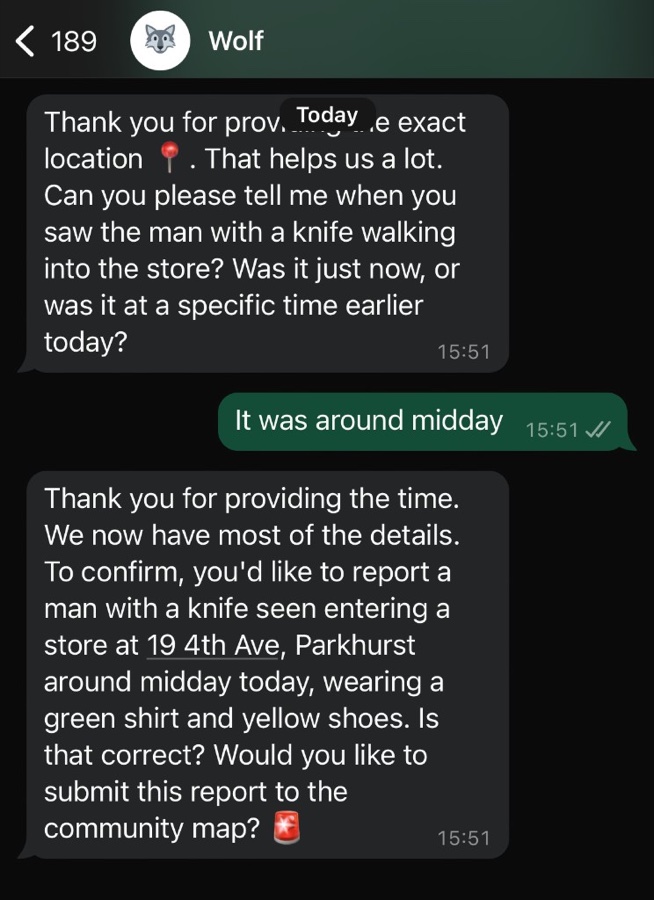
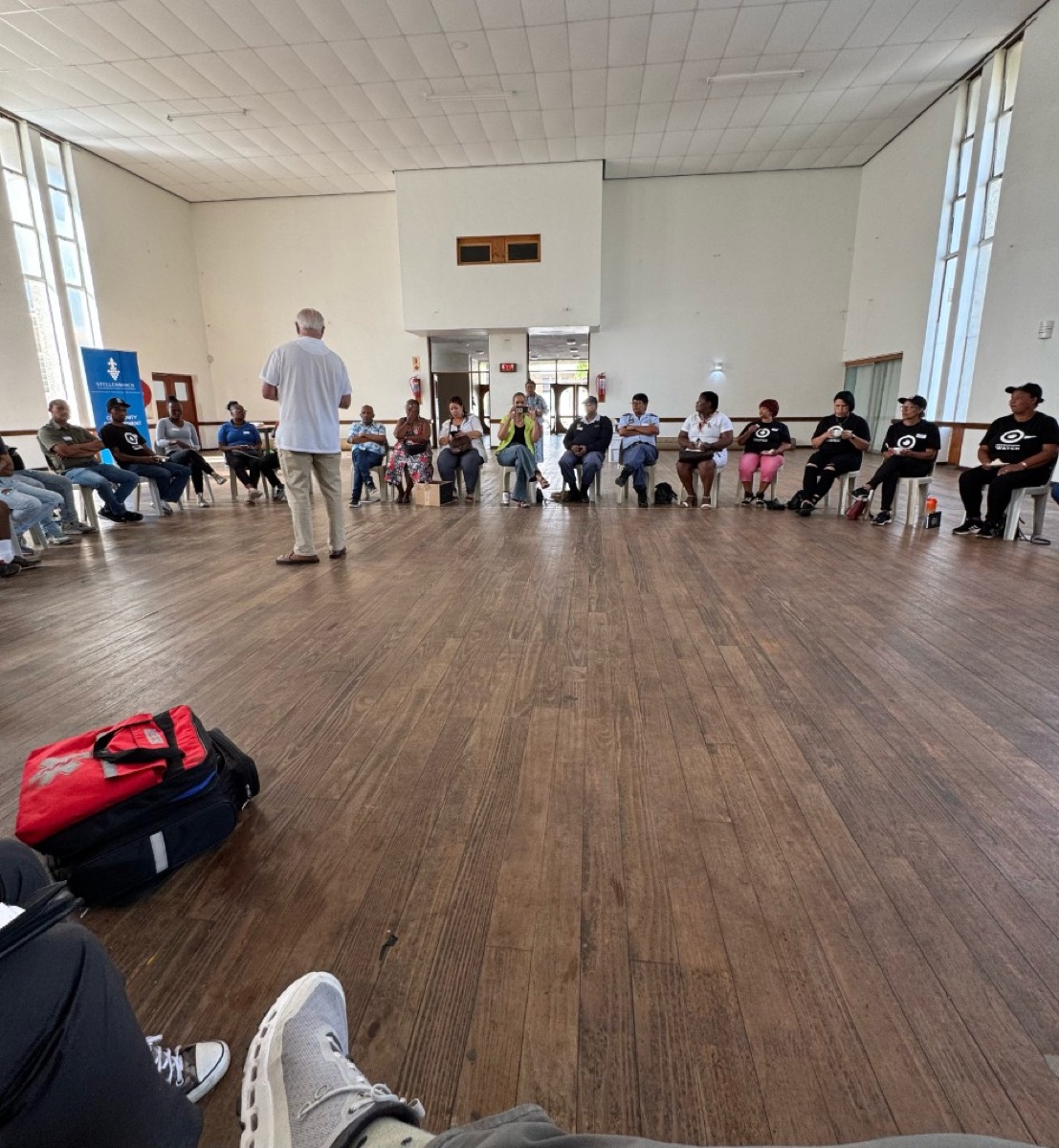
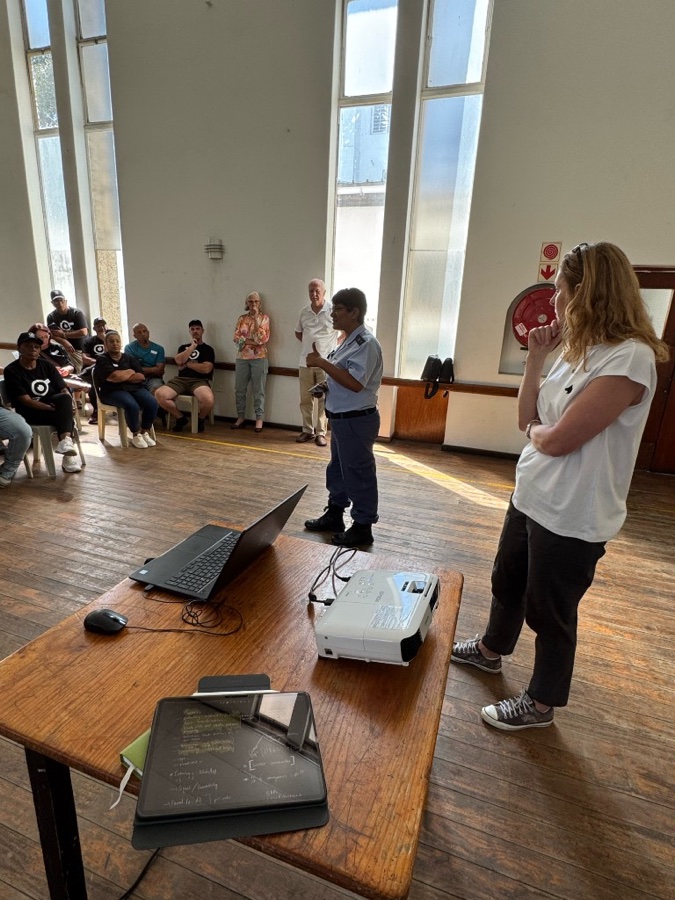
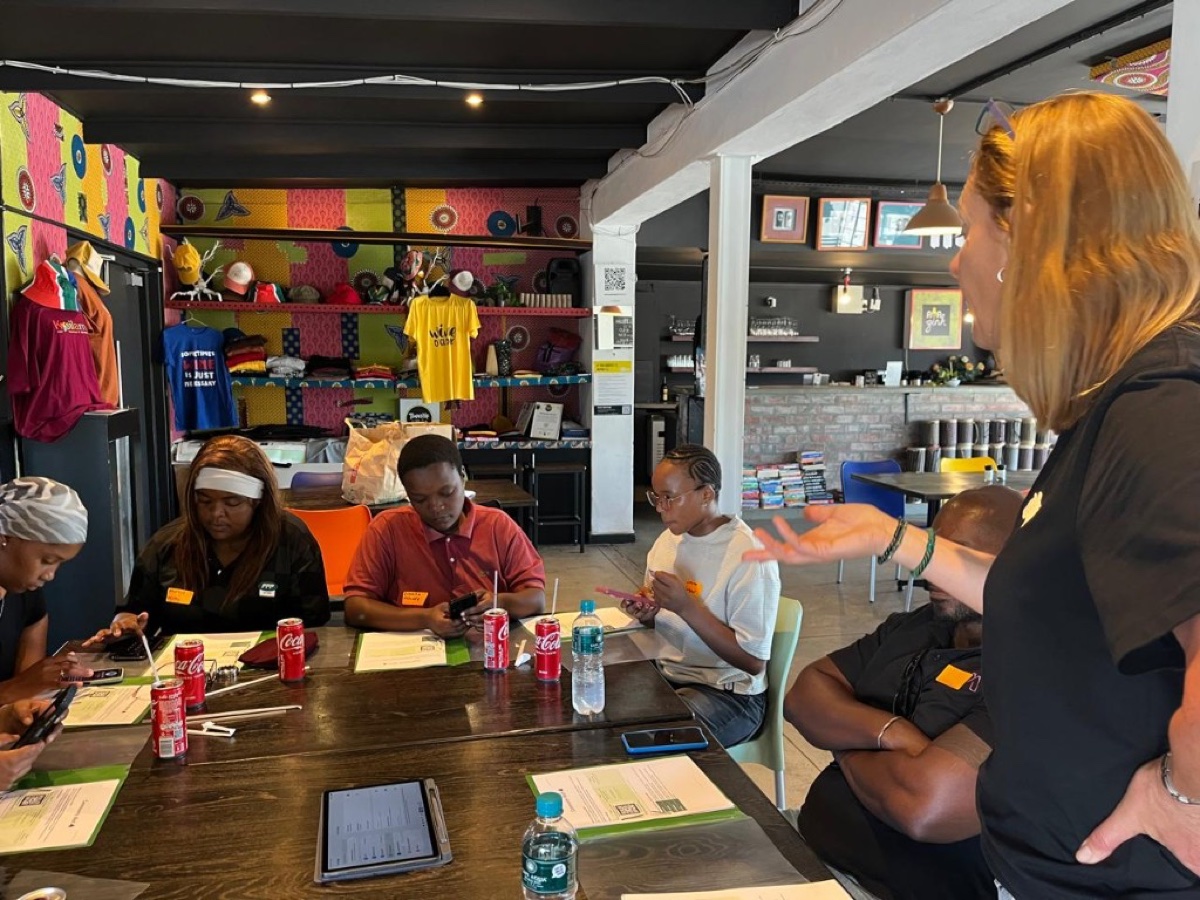
Anyone can report a crime for free, in any South African language, straight from WhatsApp. No cost, no queue, no fear of being seen. Schools and churches help people get started and learn to trust it.
Community-funded safety
Many people each give a little, so the schools, churches and street structures that already hold a township together can protect themselves. It starts with physical safety, the foundation everything else is built on.
The problem
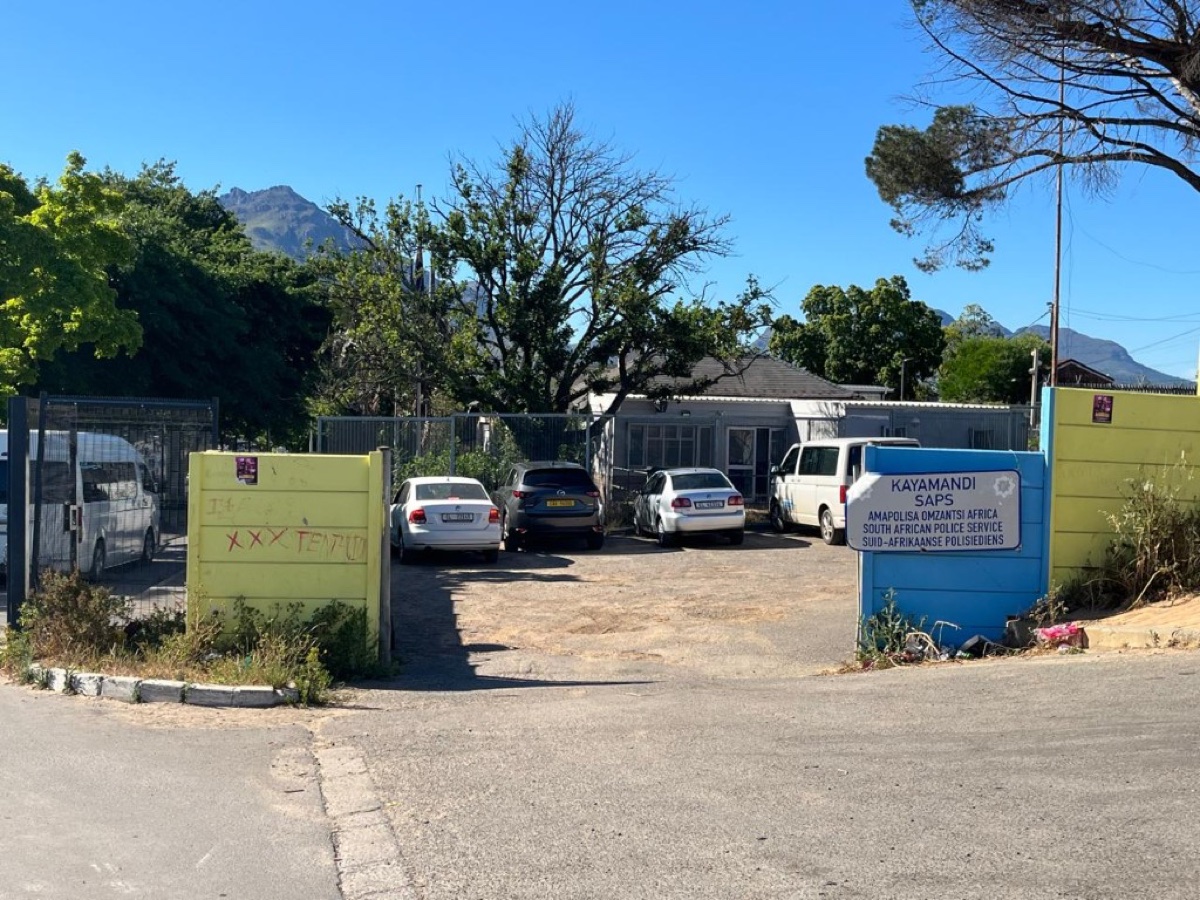
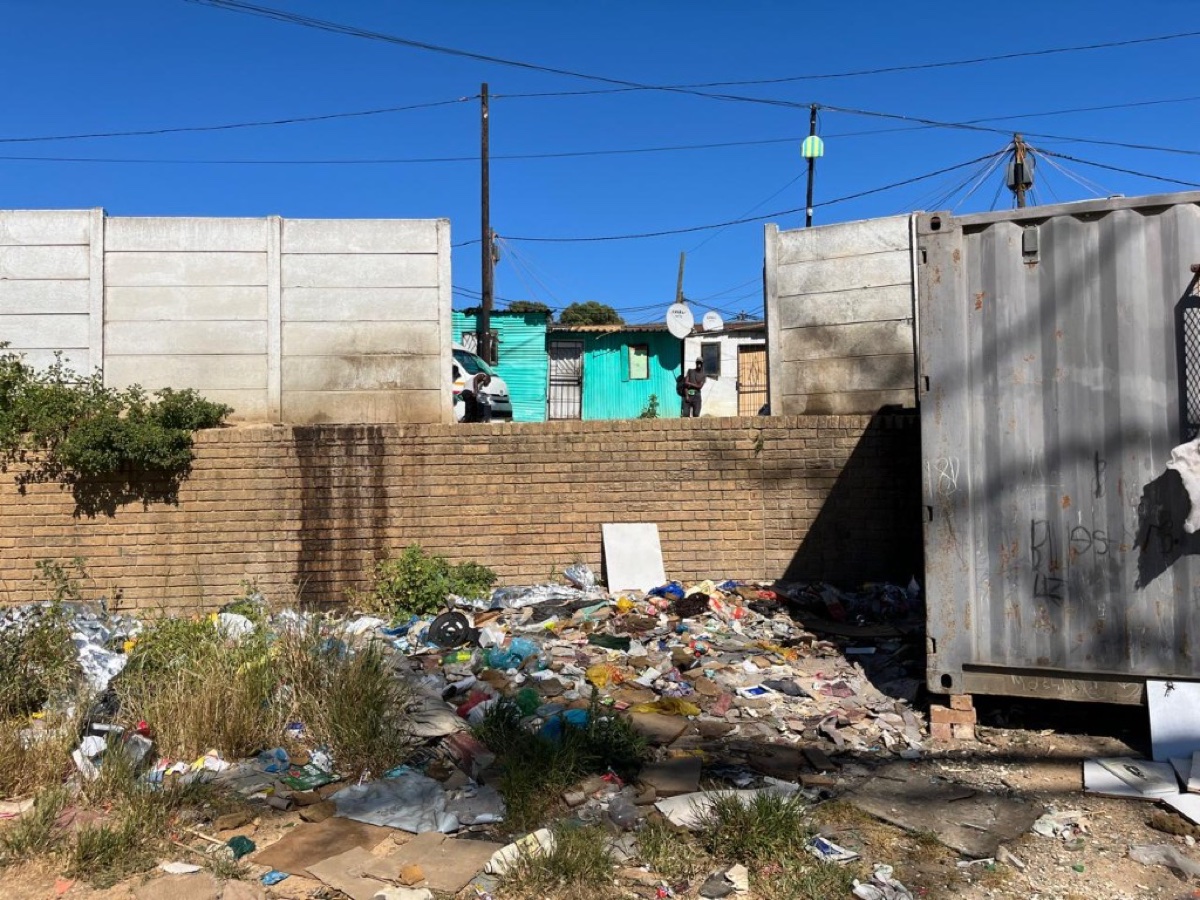
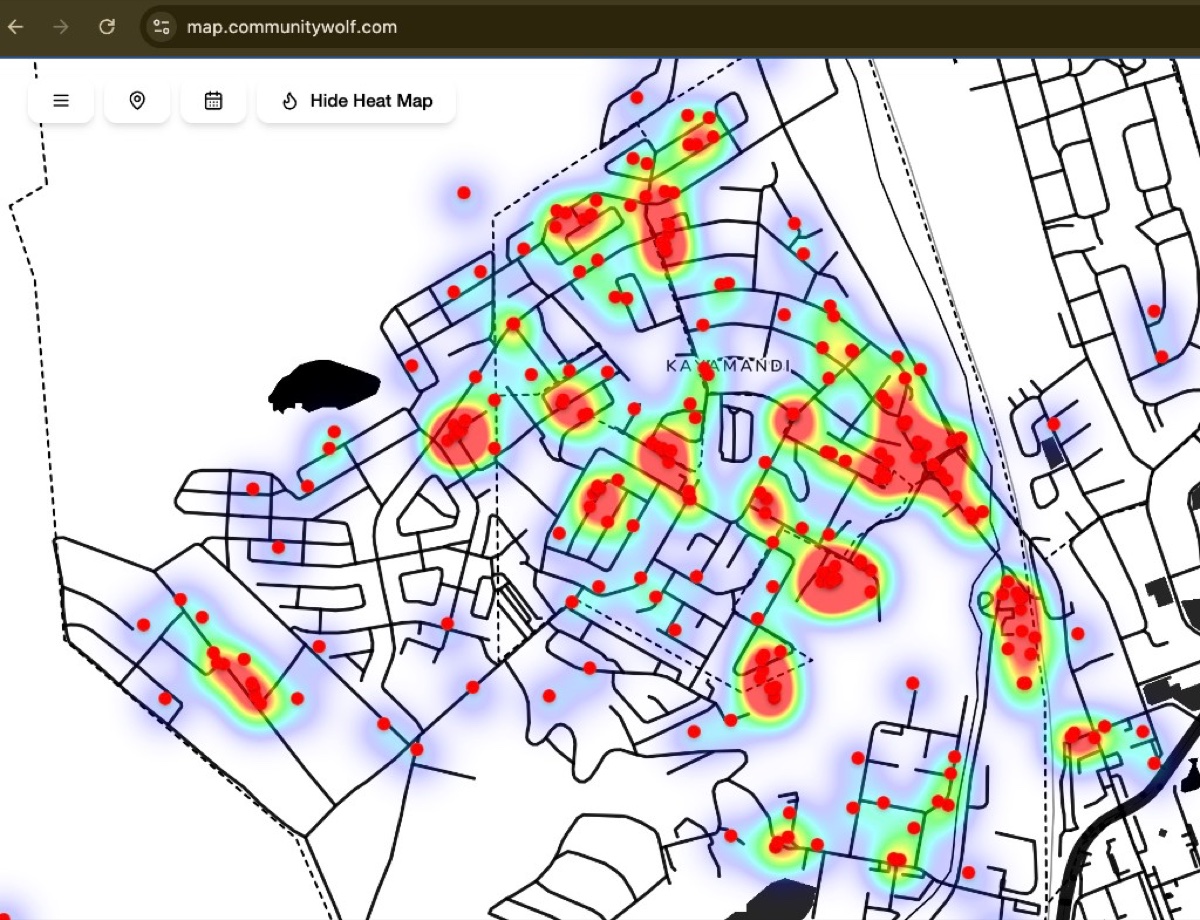
South Africa's townships carry a disproportionate share of violent crime. In Kayamandi, a dense community of around 40 000 people on the edge of Stellenbosch, residents face some of the highest murder rates in the Western Cape, with little access to the private security that wealthier suburbs take for granted. The state cannot fill this gap alone, and most residents have no affordable alternative.
Kayamandi's murder rate ranks near the top in the Western Cape.
of South African murder victims are in low-income (LSM 1 to 5) households.
private security that most township residents can afford today.
The Khayelitsha (O'Regan-Pikoli) Commission found SAPS under-resourced for township policing. Sources for the figures above to be confirmed before publishing.
Why Secure Community
Every township already has the structures that hold it together: schools, churches, clinics, taxi ranks, residents' groups, neighbourhood watches, and the security teams people pay for out of their own pockets. These are the keystones. What they lack is not will. It is coordination, information and steady funding.
Secure Community fixes the funding. Instead of waiting for one large grant, or for the state to act, many people each commit a small amount every month. Pooled together, that money pays for visible safety around the keystones the community already trusts, and connects them to SAPS through one shared picture.
Safety is co-produced. The community sees the incident and makes the report. The responder responds. The coordination between them is the product, and the thing that makes it work is trust, because people only report when they believe the response will come. A programme that asks people to report and then stops responding leaves a community worse off than before it started, which is why sustained funding matters more than a burst of it.
We start with physical safety because nothing else holds without it. Make people safe enough to get through today, and you give them the room to build everything else. Safety is not the whole answer. It is the foundation the rest is built on.
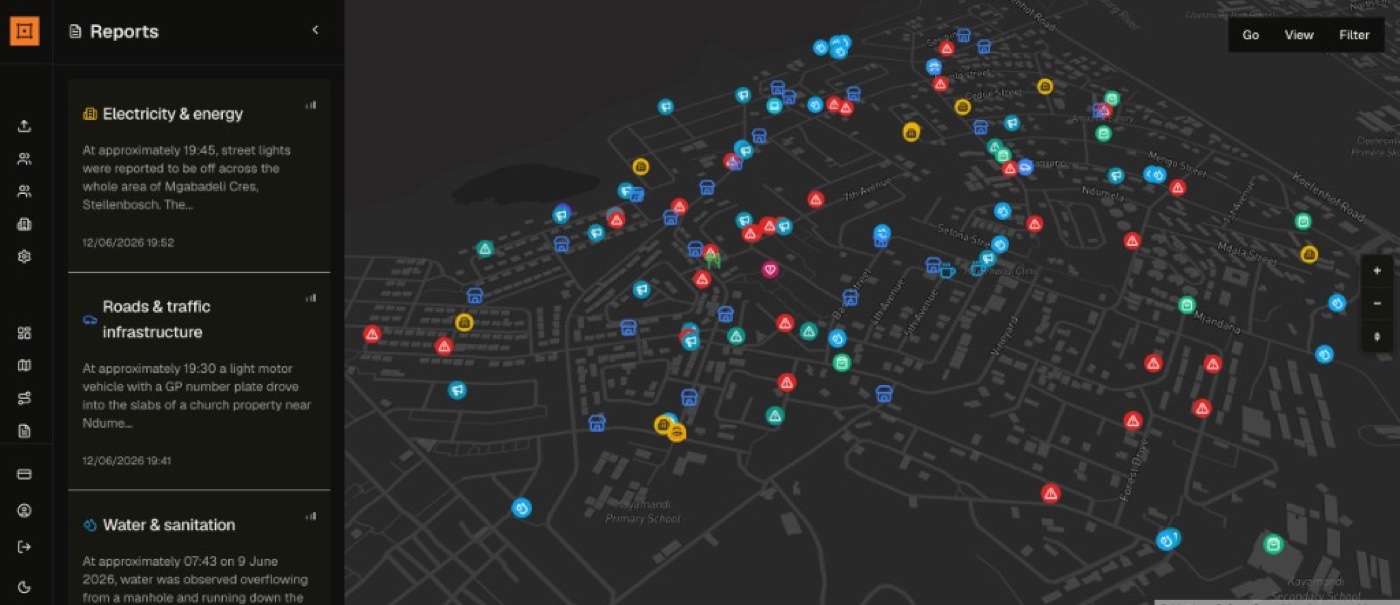
The model
No layer works on its own. A camera nobody responds to is just a recording. A patrol with no information is a guess. The model is the coordination between them.
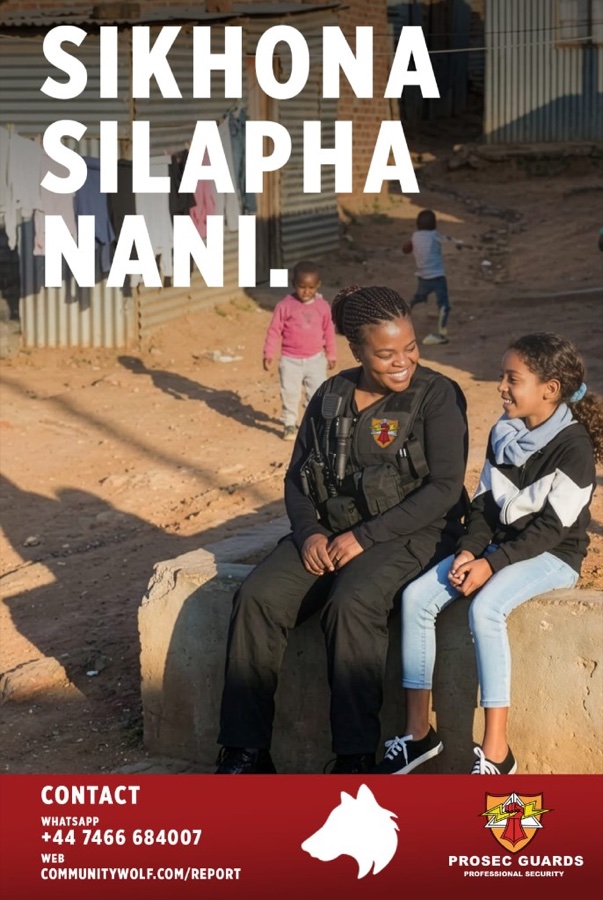
Anyone can report a crime for free, in any South African language, straight from WhatsApp. No cost, no queue, no fear of being seen. Schools and churches help people get started and learn to trust it.
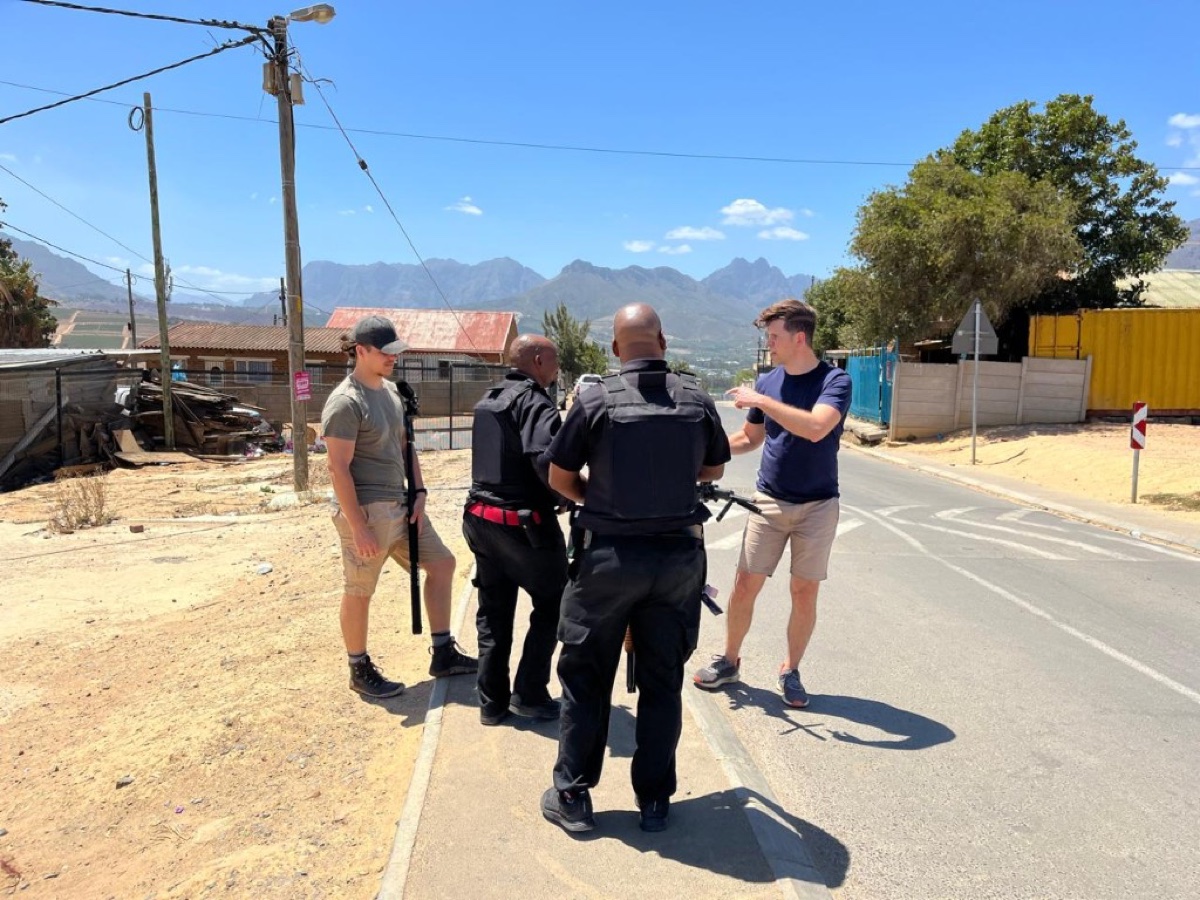
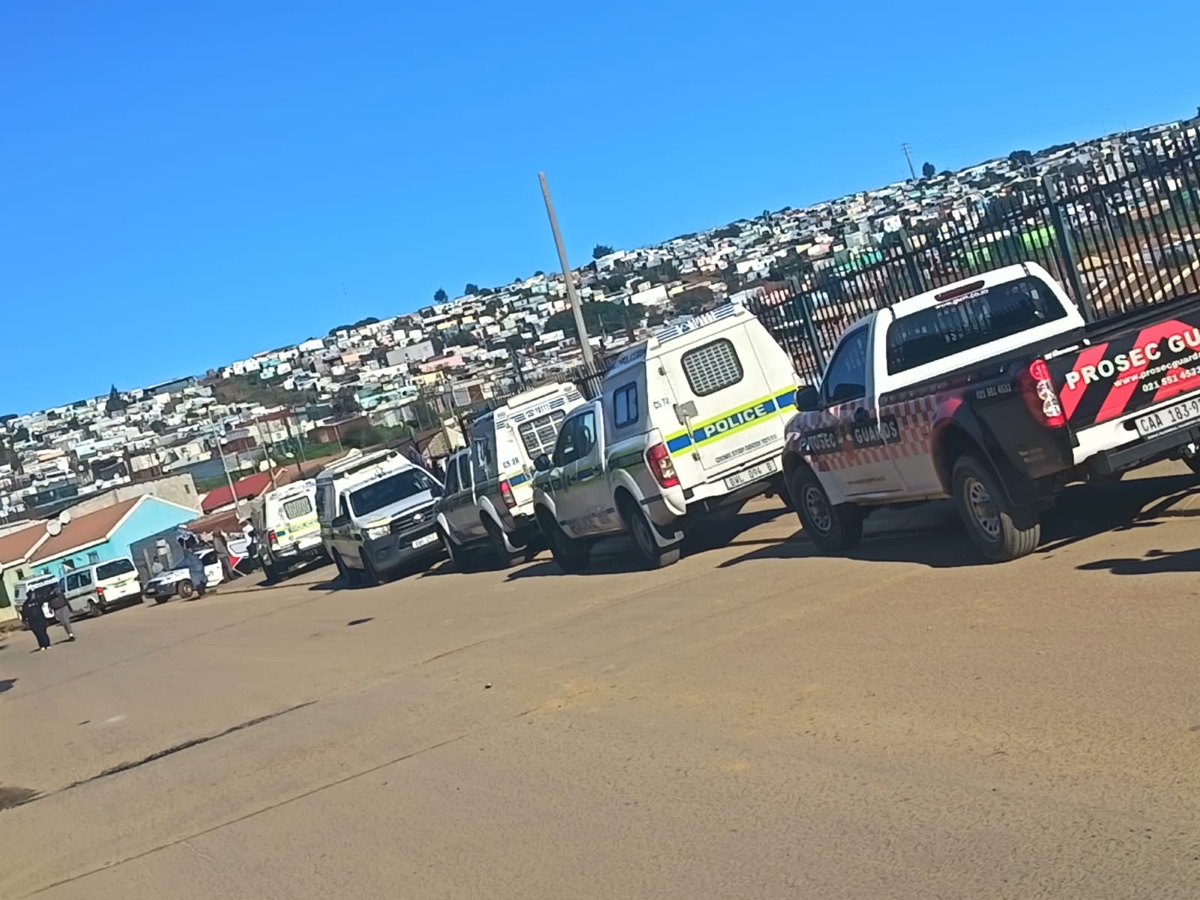
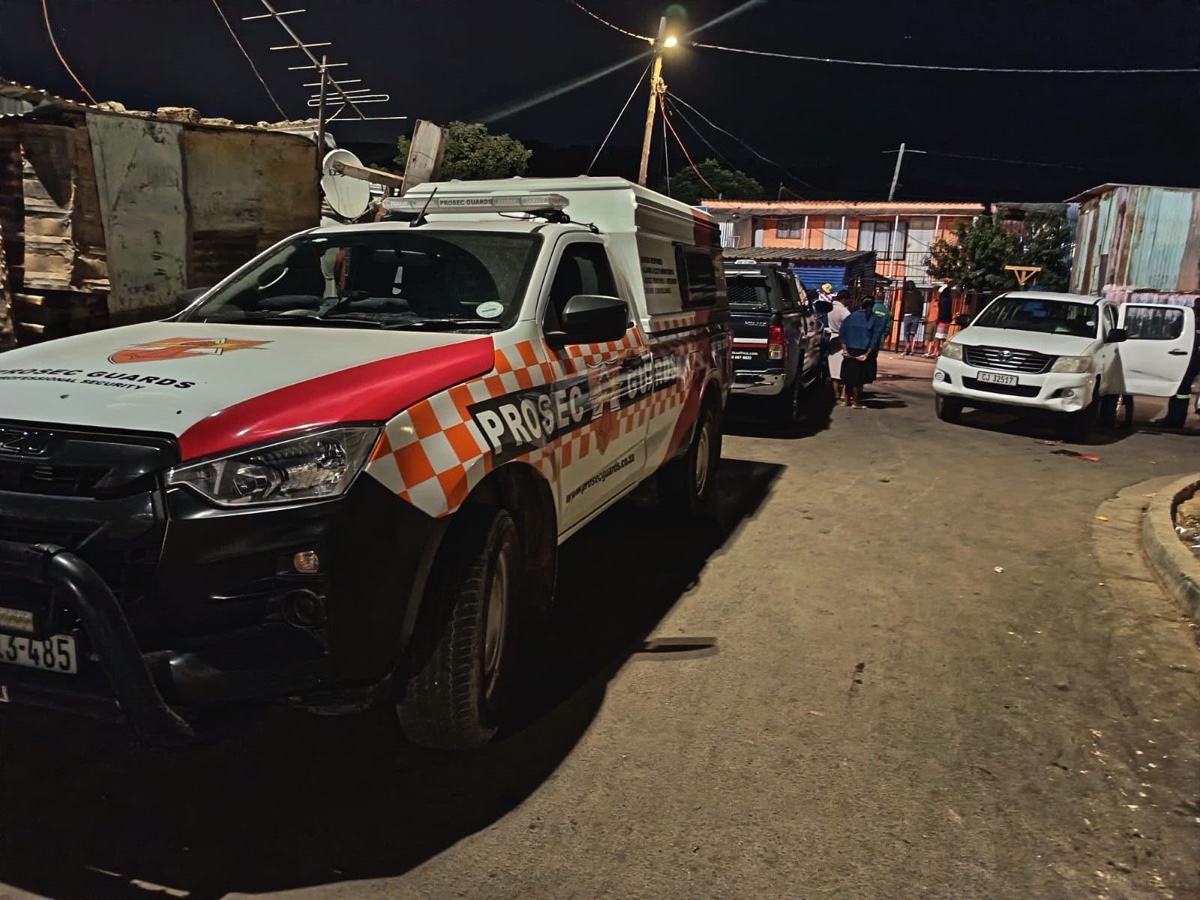
Response officers cover the streets where crime happens, at the times it happens, directed in real time from the control room.
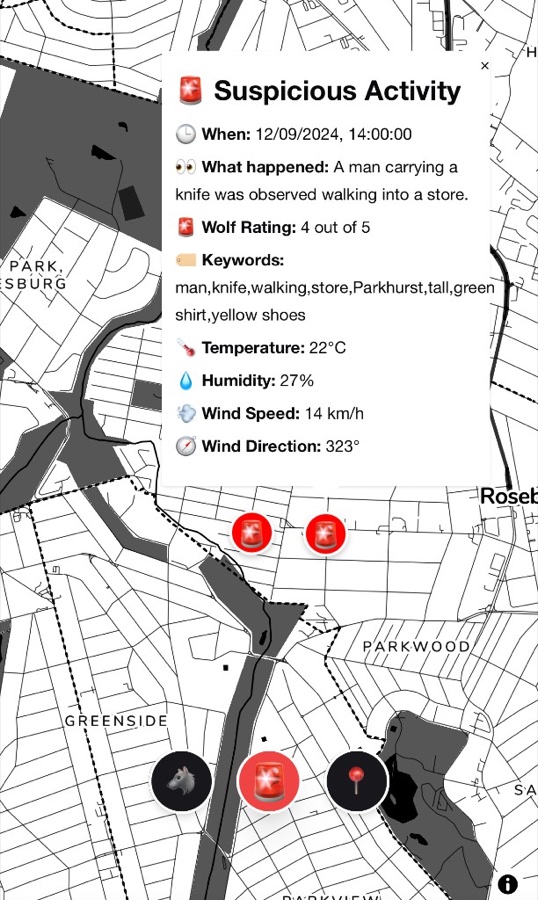
Cameras cover the routes people walk every day and feed one control room, so reports are checked and patrols are sent where they are needed.
Footage, community reports and patrol records are assembled into evidence packs that help SAPS charge and convict offenders. Convictions are what make safety last. They remove repeat offenders and rebuild trust in the system. This is the layer we are building now.
SAPS data · Kayamandi
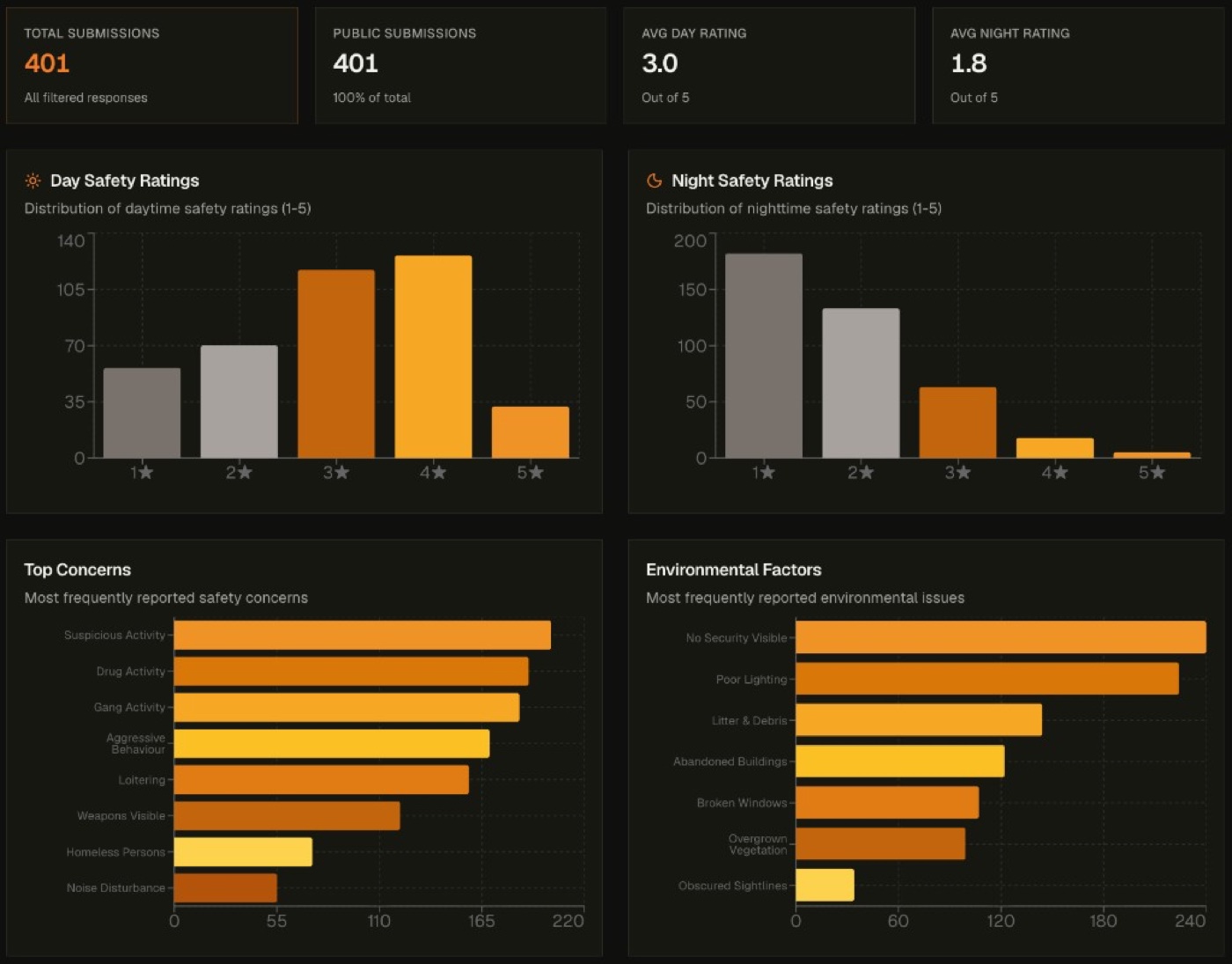
Comparing October 2025 to March 2026 against the same six months a year earlier, SAPS Stellenbosch data for Kayamandi shows reductions across every serious crime category.
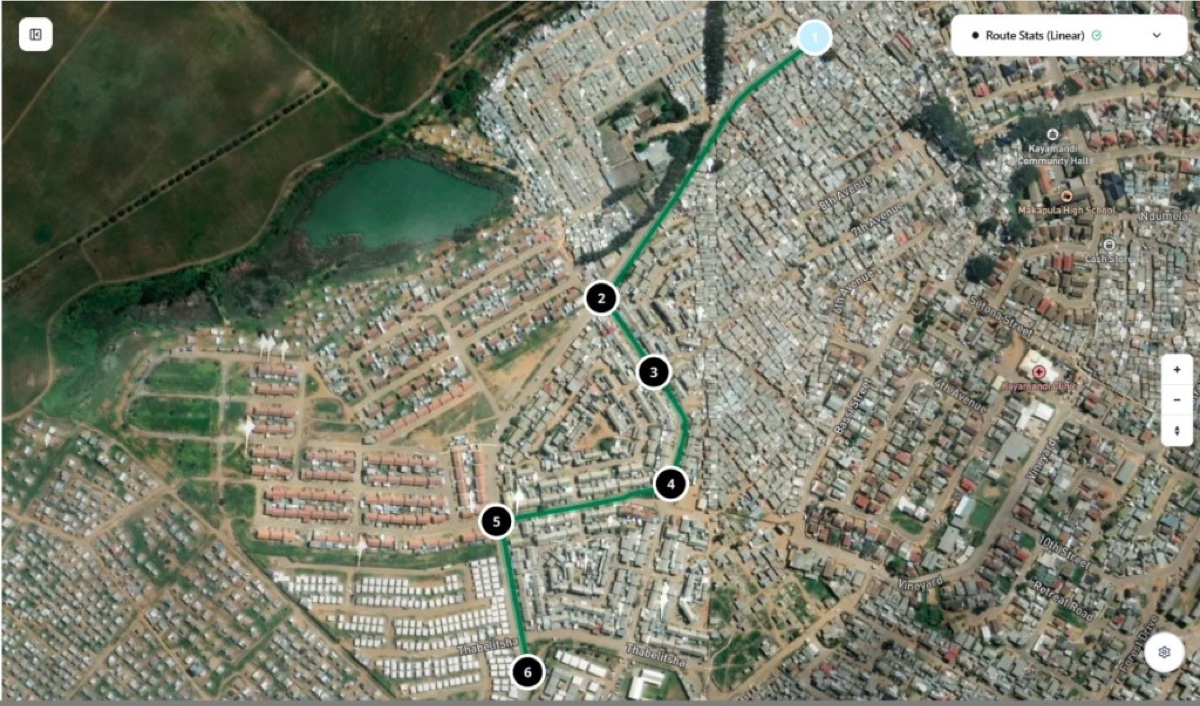
of patrols across Kayamandi, November 2025 to February 2026.
crimes reported to SAPS in a single year, and surveys show roughly half of all crime is never reported.
free reporting, straight from WhatsApp.
Source: SAPS Stellenbosch. A joint pilot between Secure Community NPC, Prosec Guards and SAPS Stellenbosch.
These are early numbers, from one community, with limited resources. They show what is possible when the layers work together.
What we measure next: falling crime is the start. As the evidence layer comes online, we will report convictions secured alongside these numbers, so progress is judged on consequences and not on sentiment alone.
Back the programme
We are not asking residents to pay for their own safety, and we are not asking one funder to carry it. We are building a base of contributors giving smaller amounts each month. It spreads the load, it makes the programme resilient, and it turns funders into a coalition with a stake in the outcome. A contribution of R100,000 is the same as R10,000 a month for ten months.
The free WhatsApp reporting line and community activations.
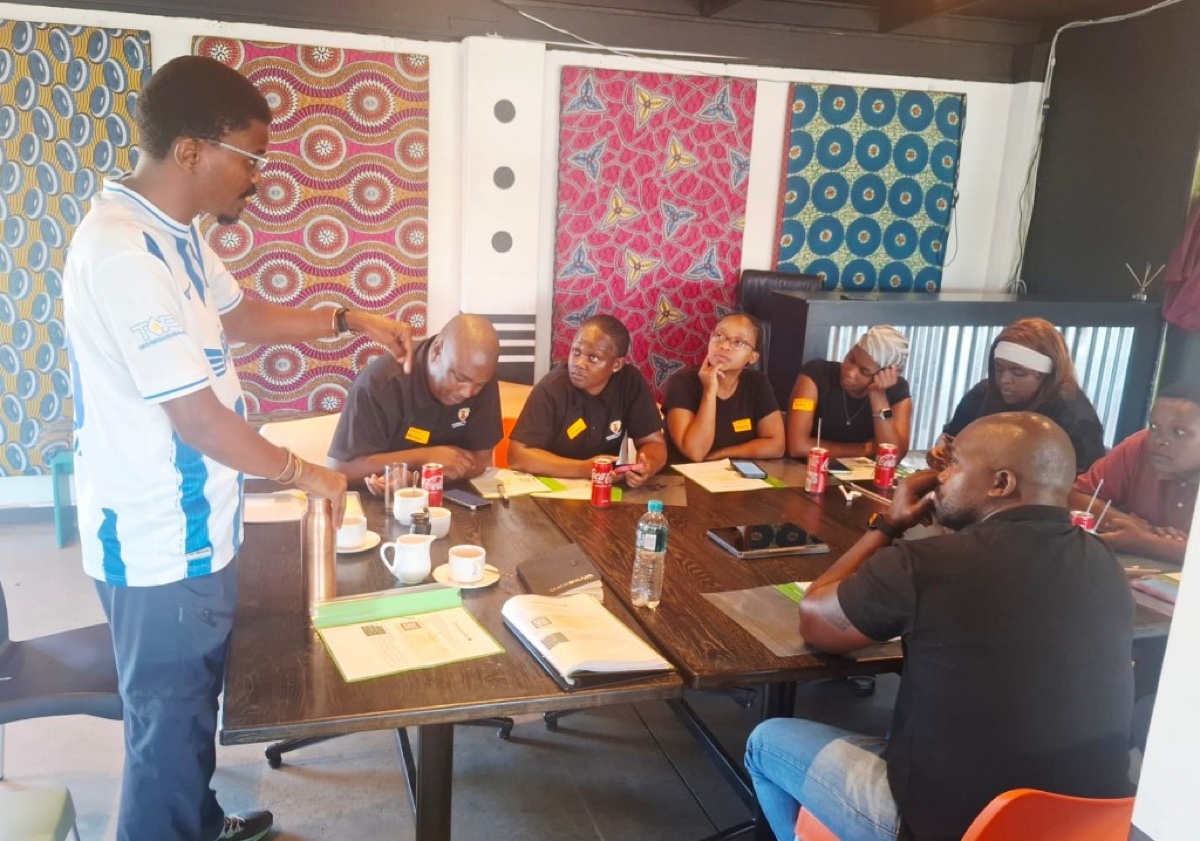
ContributeCommunity champions who drive reporting at schools and churches.
ContributeA meaningful share of monthly patrol and response coverage.
ContributeA significant share of patrol, response and reporting across the hotspots.
ContributeFigures are indicative. Prefer a different amount? Choose any monthly amount from R1,000. Larger commitments can be made by EFT.
Founding contributors are committing first, at R10,000 a month each, including Community Wolf and Buzzer. That base is already in place before we ask anyone else.